When homeowners think about slashing their monthly utility bills and boosting indoor comfort, they usually focus inward. They invest in smart thermostats, purchase energy-efficient kitchen appliances, or replace aging HVAC filters. While these interior tweaks are undeniably helpful, they only address the symptoms of a much larger problem. The true culprit behind skyrocketing energy costs is a compromised or outdated exterior envelope. Your home’s exterior—the roof, siding, and drainage systems—functions as a cohesive shield against the elements. If this shield is weak, your expensive conditioned air leaks out while extreme heat and freezing drafts seep in, forcing your climate control systems to run constantly.
Viewing your home as an interconnected thermal ecosystem is the first step toward genuine sustainability. Every exterior component must work in harmony to prevent thermal bridging, manage moisture, and regulate internal temperatures. Upgrading your home’s outer shell is a powerful long-term investment that slashes energy consumption, reduces mechanical wear on your furnace and air conditioner, and elevates your property value. This comprehensive guide provides an actionable blueprint for transforming your home’s exterior into a high-performance thermal fortress, allowing you to maximize year-round efficiency.
The Thermal Shield: Upgrading Your Roof for Maximum Energy Savings
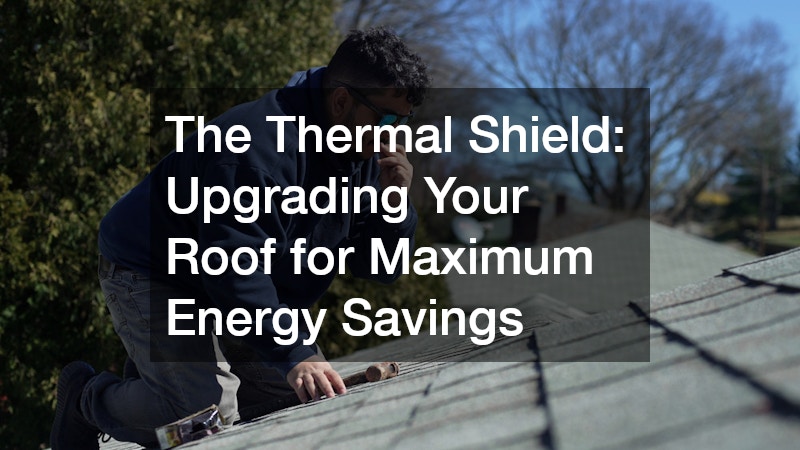
Your roof bears the brunt of environmental volatility, enduring blistering summer sun and freezing winter storms. It acts as your home’s primary thermal boundary, making it the most critical focal point for any comprehensive efficiency remodel.
Eliminate the Radiant Heat Trap in Your Attic
During peak summer months, standard roofing materials act like a sponge for solar radiation, absorbing intense heat and transferring it directly into your attic space. When attic temperatures soar, this trapped heat eventually radiates downward through your ceilings, warming your living spaces and forcing your air conditioner to work overtime.
- Cool Roofing Technologies: Consider upgrading to shingles embedded with specialized, reflective granules designed to bounce solar energy away from your home rather than absorbing it.
- Radiant Barriers: Installing highly reflective aluminum foils along the underside of your roof rafters blocks up to 97 percent of radiant heat transfer into your attic floor.
Implement Advanced Aerodynamic and Thermal Controls
Achieving an energy-efficient roof requires a balance of proper insulation and consistent, dynamic airflow. Without adequate ventilation, trapped moisture and heat will degrade your building materials and destroy your home’s thermal efficiency.
- Balance Intake and Exhaust: A truly efficient attic system relies on continuous passive airflow, drawing cool air in through lower soffit vents and expelling superheated air out through a continuous ridge vent.
- Prevent Moisture Trapping: Proper airflow prevents winter moisture from condensing on the underside of your roof deck, which can ruin fiberglass insulation and breed wood-rotting mold.
- Partner with Specialists: When planning a ventilation upgrade, consulting professionals about the design of modern vented roof systems will drastically lower your cooling demands. Certified residential roofers can audit your attic’s current microclimate, optimize your insulation placement, and install high-performance ridge systems to ensure your home breathes properly throughout changing seasons.
Weatherproofing the Crown: Structural Durability and Premium Materials
An efficient roof must do more than just breathe; it must provide unyielding structural resistance against heavy storms. Micro-leaks, missing shingles, and wind uplift damage compromise your underlying insulation layers, rendering them completely useless.
Protect Your Roofline Against Storm Degradation
When severe wind storms hit an outdated or poorly secured roof, they create intense negative pressure zones that lift shingles and breach the water barrier. Once water infiltrates your attic insulation, the material loses its thermal resistance, leading to massive heating and cooling loss.
- Synthetic Underlayments: Replace traditional asphalt felt paper with advanced, non-porous synthetic underlayments that provide an airtight, secondary water barrier across your entire roof deck.
- Enhanced Fastening Patterns: Utilizing ring-shank nails and increasing the number of fasteners per shingle significantly reduces the risk of wind blow-offs during extreme weather events.
Partner With Qualified External Protection Specialists
Upgrading your home’s durability and efficiency requires working with true structural specialists who understand regional building codes and advanced storm mitigation protocols.
- Look Beyond Simple Repairs: Do not settle for a contractor who merely patches visible leaks. You want to partner with an established roofing company that specializes in whole-house efficiency upgrades and high-performance material integrations.
- Leverage Insurance Incentives: In many regions prone to severe weather, you can enroll your property in an official fortified roofing program. This state-backed building standard requires sealed roof decks, enhanced drip edges, and heavy-duty ring-shank nailing patterns. Adhering to these strict structural guidelines not only creates an impenetrable barrier against wind and energy loss but also qualifies you for permanent, massive discounts on your annual homeowners’ insurance premiums.
Defensive Foundations: Sourcing Qualified Craftsmanship and Services

Executing large-scale exterior renovations can feel overwhelming, but staying ahead of structural wear prevents minor efficiency leaks from ballooning into catastrophic property damage.
Conduct Strategic Maintenance Audits Before Disasters Strike
Waiting for a major storm to expose the weaknesses in your home’s exterior is an incredibly costly strategy. Proactive maintenance allows you to schedule your home upgrades during favorable weather conditions and budget for improvements methodically.
- Schedule Annual Scans: Routinely check the condition of your exterior sealants, searching for degraded caulking around roof valleys, wall flashings, and chimney brickwork.
- Audit Your Utilities: Monitor your energy billing statements over time; a slow, unexplainable rise in winter heating costs often points to a creeping failure in your home’s external envelope.
Secure Reliable Local Structural Representation
To get the most out of your energy-saving projects, you need to rely on localized technical expertise rather than generic, off-the-shelf advice.
- Find a Certified Neighbor: Sourcing a dependable, vetted local roofer allows you to gain insights tailored directly to your regional climate, whether that means defending against intense coastal humidity or heavy winter snow loads.
- Utilize Advanced Diagnostics: A qualified professional will utilize thermal imaging cameras to pinpoint exact zones along your roof deck where heat is actively escaping into the atmosphere.
- Invest in Lifelong Support: Navigating comprehensive roofing services ensures that your home transitions away from outdated, high-maintenance materials and toward modern, highly insulated structural systems that protect your equity for decades.
Advanced Wall Defense: Transforming Your Home Exterior Insulation
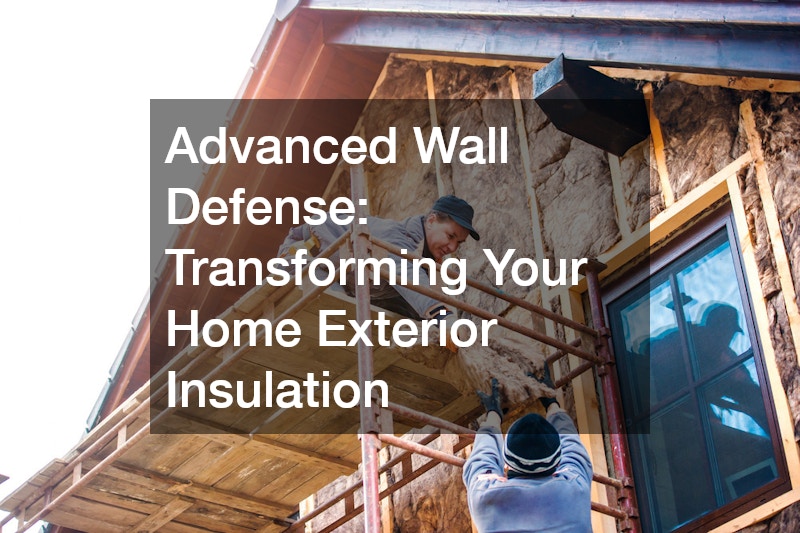
While your roof is your primary shield against the sun, your exterior walls represent the largest surface area through which heat is exchanged. Standard wood-framed walls are full of structural gaps that bleed energy day and night.
Create a Continuous Exterior Air and Vapor Barrier
Most traditional homes suffer from a phenomenon known as thermal bridging. Even if you have fiberglass batts stuffed inside your wall cavities, heat easily bypasses the insulation by traveling directly through the solid wood wall studs.
- Continuous Insulation Wraps: Installing a layer of rigid foam insulation board over your home’s exterior studs before applying new cladding creates a continuous thermal break, eliminating thermal bridging entirely.
- Airtight House Wraps: Advanced house wraps act like a windbreaker jacket for your home, stopping drafts from penetrating your framing while allowing trapped internal moisture vapor to escape safely.
Select the Right Wall Cladding Professionals
Upgrading your wall insulation requires removing old materials and wrapping your home’s exterior structure in high-durability cladding.
- Screen Your Contractors: Take the time to interview premier, fully licensed siding companies that possess a deep understanding of vapor diffusion and continuous exterior insulation techniques.
- Upgrade Your Materials: Investing in a precision vinyl siding installation wrapped over rigid foam board creates an airtight, low-maintenance protective barrier. This upgrade completely seals your home’s perimeter, eliminates drafts, reduces external street noise, and prevents your heating and cooling systems from running unnecessarily.
Alternative Facades: Exploring High-Performance Wall Upgrades
For homeowners seeking alternative aesthetics or dealing with specific regional architectural styles, traditional panels are not the only option for reinforcing wall efficiency.
Maximize Thermal Mass and Structural Density
Certain climates benefit immensely from thick, dense wall materials that can absorb outside temperatures and delay heat transfer into the home’s interior spaces.
- The Thermal Flywheel Effect: Heavy exterior walls absorb intense heat during the day and slowly release it into the atmosphere at night, flattening peak cooling demands during blistering hot afternoons.
- Eliminate Architectural Cracks: Sealing an old, drafty home with multi-layered plaster and wire mesh systems eliminates the micro-fissures and gaps through which conditioned air typically escapes.
Coordinate Complex Exterior Material Transitions
If your property features an older, deteriorating facade, you can completely redefine your home’s thermal boundary by blending modern synthetic coatings with your existing framework.
- Research Specialized Applications: Coordinating a professional local stucco over siding application is a fantastic way to encase an old, drafty building in a seamless, highly insulated outer layer.
- Focus on the Junctions: Ensure your renovation crew pays meticulous attention to flashings and caulking where different exterior materials meet, especially around window frames, door headers, and foundation sill plates. This meticulous sealing guarantees that drafting is completely eliminated while preventing hidden moisture from rotting your home’s wooden skeleton.
Diverting the Flow: Managing Water to Protect Your Insulation Barrier
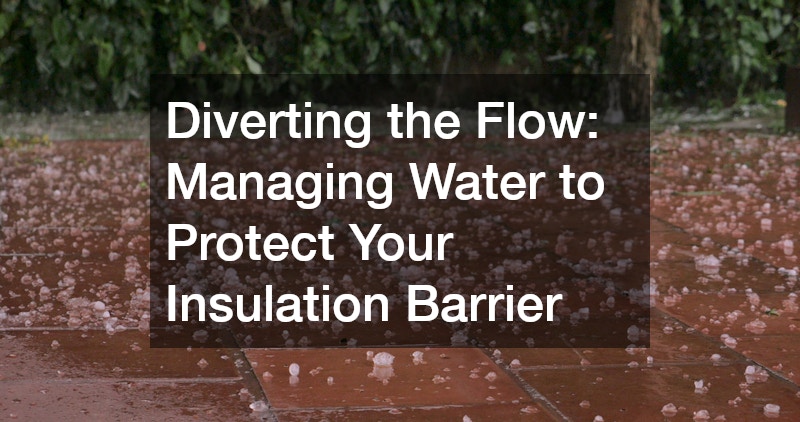
No matter how much money you spend on advanced siding and high-performance roofing, your efficiency upgrades will fail if you do not manage water distribution around your property.
Keep Water Away from Your Thermal Envelope
Water is the ultimate enemy of thermal insulation. When water is allowed to back up or pool against your home’s exterior walls, it saturates your insulation materials, rendering them completely useless.
- The Wet Insulation Trap: When standard fiberglass or cellulose insulation gets wet, its R-value plummets to near zero, turning your walls into conductors for outside temperatures.
- Prevent Structural Shifting: Poor water diversion saturates the soil around your home, leading to foundation shifting, basement cracks, and a massive rise in internal relative humidity that strains your air conditioner’s dehumidification cycles.
Additionally, wet insulation can promote mold growth, posing serious health risks to you and your family. Regular maintenance of gutters and downspouts, along with proper grading around your home, can significantly reduce the risk of water pooling and protect both your insulation and your home’s structural integrity.
Integrate Seamless Drainage Solutions
Managing your roof’s water runoff is a vital defensive layer that protects both your roofline and your lower wall insulation.
- Protect Your Fascia Boards: If your gutters are clogged or undersized, water will pool beneath your lower shingles, rotting the wooden fascia and allowing water to travel down behind your brand-new siding.
- Invest in Whole-House Protection: Securing comprehensive gutter services to install seamless, oversized aluminum channels ensures that thousands of gallons of rainwater are caught and routed completely away from your thermal barriers. Keeping your foundation and exterior walls dry preserves your insulation’s structural integrity, guaranteeing that your home maintains peak operating efficiency all year round.
Additionally, regular maintenance of your gutters is essential to prevent overflow and mitigate potential damage. Consider scheduling seasonal inspections to clear debris and check for any signs of wear or leaks. By staying proactive with your gutter care, you not only enhance the longevity of your roofing materials but also contribute to the overall health of your home’s structure. This simple step can save you from costly repairs down the line and ensure that your home remains a safe and comfortable environment for you and your family.
Conclusion
Upgrading your home’s exterior is the most effective and permanent step you can take to achieve authentic energy efficiency and long-term financial security. By shifting your perspective away from quick internal fixes and focusing on reinforcing your structural envelope, you address energy waste at its true source. A systematic combination of optimized attic ventilation, continuous wall insulation, airtight modern siding, and intelligent water management transforms your property from a high-maintenance energy drain into a highly efficient, climate-controlled fortress.
The return on investment for these comprehensive exterior upgrades extends far beyond your monthly utility savings. By creating a continuous, airtight thermal break around your living spaces, you dramatically lower the daily workload placed on your heating and cooling equipment, extending its operational lifespan and preventing expensive premature failures. Furthermore, wrapping your home in durable, low-emission materials protects your underlying framing from rot and decay, significantly boosting your property’s resale value and curb appeal. When you commit to a high-quality, top-to-bottom exterior renovation, you secure an exceptionally comfortable, quiet, and efficient sanctuary that will stand strong against the elements for generations to come.