The exterior of your house serves as both a primary shield against natural elements and the initial visual statement to every guest or passerby. Over time, weather conditions, sunlight, and natural wear can cause significant damage to your home’s facade. Maintaining, updating, and repairing these external components is critical for preserving structural integrity, maintaining energy efficiency, and protecting your property value over time.
Investing time and effort into comprehensive home repairs requires a systematic approach. Homeowners must understand how different architectural elements work together to form a protective shell. From the overhead protection of your roof to the functional surfaces of your driveway and the structural boundaries of your yard, every system demands precise attention to detail and appropriate techniques for maintenance and repair.
Comprehensive Roofing Solutions
Identifying Overhead Wear and Structural Issues
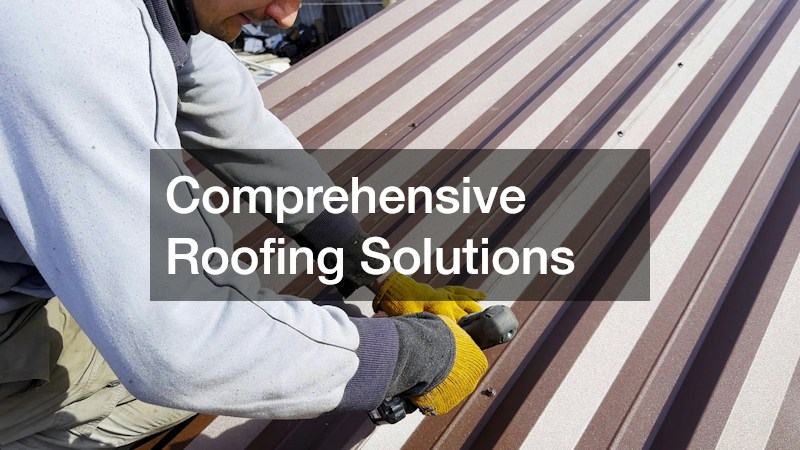
Roof structures suffer continuous exposure to UV rays, wind, rain, and snow. Inspecting your roof twice a year allows you to catch minor issues before they cascade into catastrophic leaks. Look for missing, cracked, or curling shingles, particularly around complex angles and valleys. Moisture intrusion often manifests as discolored spots on ceiling drywall or wet insulation inside your attic space, signaling that immediate repair work is required.
Selecting Materials for Durability and Aesthetics
Choosing the right material impacts both the lifespan of your roof and the overall aesthetic appeal of your home. Traditional materials remain popular due to their cost-effectiveness and versatile styling options. When planning a full replacement, working with a reputable residential roofing company ensures that underlayment, flashing, and ventilation components are installed according to regional building codes. Higher-end options like slate, tile, or standing seam metal offer extended longevity but require specialized structural support and professional expertise.
Executing Minor Repairs and Prevention Strategies
Minor roof maintenance can often be handled safely from a ladder or through targeted professional visits. Keep flashing tightly sealed around chimneys, skylights, and plumbing vents using outdoor sealant. Replacing individual damaged shingles immediately prevents water from infiltrating the deck beneath. Schedule professional inspection and routine maintenance, including professional roofing services, every few years to clear debris, verify seal integrity, and catch small vulnerabilities early.
Enhancing Wall Protection and Siding
Assessing External Cladding Conditions
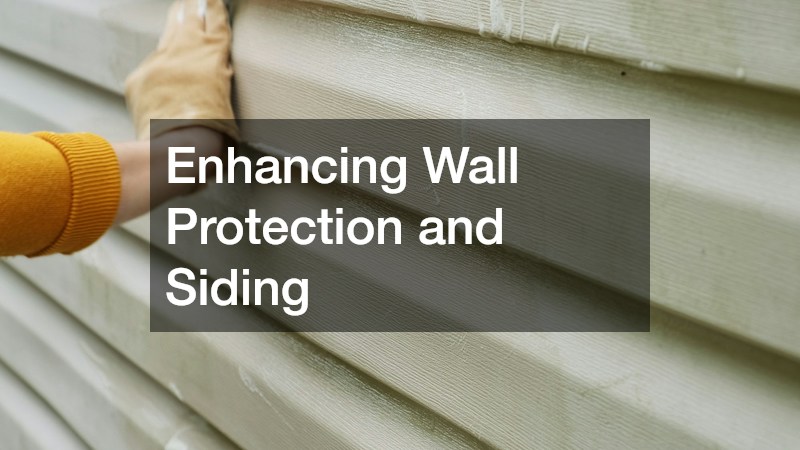
Exterior walls protect your home framework from humidity and wind-driven precipitation. Inspect your siding regularly for signs of warp, cracks, rot, or pest infestations. Wood siding requires frequent staining or painting to prevent rot, whereas vinyl siding can become brittle over time and crack under physical impact. Fiber cement offers exceptional resistance to fire and insects, though it requires properly painted joints and sealed edges to block moisture absorption.
Choosing Wall Materials for Maximum Longevity
When selecting new cladding, evaluate climate conditions, required ongoing upkeep, and architectural compatibility. Modern vinyl provides an economical, low-maintenance option available in diverse profiles and colors. Fiber cement closely mimics natural wood grain while offering superior fire resistance and dimensional stability. Engineered wood delivers warmth and ease of installation while incorporating resins that fight moisture damage and insect damage better than traditional timber.
Securing Expert Professional Installation
Improper siding application compromises moisture barriers and leads to severe internal wall rot. Flashing must be integrated correctly around windows, doors, and floor lines to channel water down and away from the home structure. Hiring a qualified local siding contractor ensures that weather-resistant barriers, starter strips, and corner posts are installed accurately, giving your home long-term protection against harsh weather environments.
Managing Rainwater Systems

Evaluating Existing Drainage Operations
Rainwater management systems protect your foundation, fascia boards, and landscaping from heavy runoff. During intense rainstorms, monitor how water flows through your system. Clogged, sagging, or leaking troughs cause water to pool along your home foundation, leading to basement leaks and structural settling. Clean your drainage channels thoroughly every spring and autumn to remove leaves, twigs, and settled debris.
Upgrading to High-Performance Materials
Traditional sectional drainage channels feature joints that inevitably expand, contract, and leak over time. Upgrading to continuous, seamless channels custom-shaped to fit your roofline eliminates vulnerable joint seams along running walls. Lightweight and corrosion-resistant aluminum gutters provide an ideal balance of long-lasting performance and budget-friendly installation, making them a standard choice for modern home exterior upgrades.
Installing Systems for Long-Term Flow
Proper pitch is essential for effective drainage; channels should slope downward toward downspouts at a precise angle to facilitate steady water flow. Secure brackets tightly into fascia boards using rust-proof fasteners spaced at appropriate intervals. Investing in professional gutter installation ensures that downspouts extend several feet away from your foundation wall, directing water safely into rain gardens, rain barrels, or underground storm drains.
Revitalizing Driveways and Walkways

Repairing Cracks and Surface Damage
Driveways and entry paths endure heavy vehicle loads and severe freeze-thaw cycles. Cracks smaller than a quarter-inch can be filled with specialized flexible caulking or rubberized sealant to prevent moisture from penetrating the sub-base. Unattended cracks expand rapidly when trapped water freezes, breaking apart surrounding materials and causing deep potholes or uneven surface slabs.
Exploring Material Options for Paving
Selecting appropriate paving materials depends on regional climate, budget considerations, and aesthetic goals. Concrete provides a rigid, clean appearance that handles heavy loads well when properly reinforced with steel mesh. Flexible, dark asphalt delivers excellent resistance to winter freezing conditions and allows for economical surface resurfacing when aging signs appear, offering an efficient solution for large driveways.
Hiring Specialists for Masonry Work
Heavy paving equipment and precise material temperatures are critical for successful surface installation. Professional crews ensure sub-bases are properly excavated, compacted, and graded to facilitate water runoff away from existing structures. Partnering with skilled local paving contractors guarantees that base course thickness, compaction levels, and surface smoothing meet industry standards for optimal performance and long lifespan.
Garage Exterior Upgrades
Enhancing Functional Entryways
Garage doors represent a substantial portion of your home’s front facade. A worn, dented, or malfunctioning door drastically degrades curb appeal while presenting significant security and safety risks. Test safety sensors, inspect heavy-duty tension springs, and lubricate tracks regularly to maintain smooth, quiet operation. Insulated garage doors also help regulate interior temperatures within attached garages, reducing heat transfer into living spaces.
Addressing Mechanical and Panel Repairs
Over time, tracks can become misaligned, cables can fray, and individual door panels can warp from weather exposure or accidental impacts. Attempting DIY repairs on high-tension springs can be extremely hazardous due to the immense stored mechanical energy. Relying on professional local garage door repair services ensures safe spring replacement, track realigning, and motor calibration, restoring full functionality without risking personal injury.
Protecting Concrete Surfaces
Concrete floor slabs in garages suffer constant exposure to road salt, oil drips, chemical spills, and hot tire pickup. Bare concrete easily absorbs liquids, creating persistent stains and surface spalling over time. Applying an industrial-grade epoxy or polyaspartic garage floor coating creates a seamless, chemical-resistant barrier that simplifies cleaning, protects concrete integrity, and transforms dark garages into clean, functional workspaces.
Perimeters, Fencing, and Borders
Evaluating Property Boundaries
Fences define property limits, provide essential security for children and pets, and establish visual privacy for outdoor living areas. Inspect wooden posts near ground level for rot or subterranean termite damage. Verify that metal fences are free from deep rust, and check that gate hinges and latches operate smoothly without dragging along the ground surface.
Selecting Boundary Materials
Wood offers classic beauty and customization options through stains and paints, though it demands ongoing seal maintenance every few seasons. Vinyl fencing provides low-maintenance privacy with outstanding resistance to moisture, rot, and pest damage. Decorative aluminum delivers elegant perimeter security without obstructing scenic views, while chain link offers an economical, durable barrier for large backyard areas.
Establishing Stable Posts and Frameworks
A durable fence relies entirely on a stable foundation. Fence posts must be set well below the local frost line in concrete footings to prevent heave and sway during freeze cycles. Engaging skilled fence installers ensures posts are plumb, concrete is mixed to proper strength, and panels follow natural ground contours smoothly without leaving awkward gaps or structural weaknesses.
Windows, Doors, and Trim Work
Sealing Gaps for Thermal Efficiency
Gaps around exterior window frames and entry doors account for significant energy loss in modern homes. Inspect caulking along exterior trim boards annually, scraping away brittle or peeling sealant before applying fresh, paintable elastomeric silicone caulk. Weatherstripping along movable window sashes and door perimeters should be replaced whenever it appears compressed, cracked, or torn.
Upgrading Exterior Entry Doors
Your main entrance serves as a central focal point for visitors. Replacing an aged front door elevates curb appeal while improving thermal efficiency and home security. Steel doors offer superior security at accessible price points, fiberglass doors mimic rich wood textures without rotting or warping, and solid wood doors deliver unmatched traditional elegance when properly maintained with UV-resistant varnishes.
Finishing Trim for Cohesive Design
Architectural trim frames your home windows, doors, corners, and rooflines, binding diverse exterior elements into a cohesive design language. Synthetic materials like cellular PVC have revolutionized exterior trim, providing the easy workability of traditional timber without susceptibility to rot, swelling, or insect damage. Paint trim using high-grade acrylic latex formulations to defend against peeling and sun fading.
Landscaping and Grading Improvements
Correcting Slope and Drainage Around Foundations
Proper ground grading keeps surface water away from foundational walls. The earth immediately surrounding your home foundation should slope downward at least six inches over the first ten feet. Add dense clay-based soil to low spots around the perimeter, tamping it down firmly to prevent water from pooling against concrete walls or seeping into basements.
Pruning Vegetation Away from Walls
Trees, bushes, and climbing vines that contact exterior surfaces trap moisture against walls and facilitate pest access to your home. Trim tree branches back at least six feet from your roofline to prevent shingle abrasion and keep squirrels off your roof. Cut shrubs back two feet from siding surfaces to ensure proper airflow and prevent mold growth on exterior walls.
Integrating Hardscape Elements
Retaining walls, stone pathways, and paver patios enhance functional outdoor space while controlling soil erosion on sloped properties. Stacked block retaining walls must incorporate proper gravel backfill and drainage pipe networks to relieve hydrostatic pressure buildup behind the wall structure. Stone walkways direct foot traffic safely across your lawn while keeping shoes clean during wet seasons.
Illumination and Security Features
Designing Functional Exterior Lighting Systems
Well-planned exterior lighting highlights architectural features, guides visitors safely along pathways, and deters potential intruders. Combine ambient fixtures near entry doors with task lighting along dark walkways and accent uplighting aimed at featured trees or stone columns. LED technology provides exceptional energy efficiency and long operational lifespans for all outdoor fixtures.
Installing Smart Security Components
Modern exterior upgrades frequently incorporate smart security devices seamlessly into existing home architecture. Video doorbells require clear sightlines to entry pathways and strong wireless network signals. Motion-activated floodlights positioned at elevated corner points illuminate dark yards when movement is detected, providing peace of mind while conserving electrical power during inactive hours.
Protecting Fixtures from Weather Exposure
Outdoor electrical fixtures must be rated specifically for wet locations and connected to ground-fault circuit interrupter outlets. Use weatherproof junction boxes and silicone seals to prevent moisture intrusion into wiring connections. Low-voltage outdoor lighting systems offer safe, simple installation options for DIY enthusiasts looking to illuminate gardens and walkways without working with dangerous high-voltage lines.
Seasonal Maintenance Routines
Spring Exterior Checkups
As winter conditions recede, perform a thorough walk-around inspection of your entire home exterior. Clear winter debris from drainage troughs, inspect siding for freeze damage, check window screens for tears, and pressure-wash driveways and walkways to remove built-up road salt and grimy residue. Re-seal any exposed wooden decks or fence panels before intense summer sunlight arrives.
Autumn Preparation Measures
Preparing your home exterior before winter prevents costly emergency repairs during freezing weather. Disconnect and drain all outdoor garden hoses, shutting off interior water supply valves to prevent pipe bursts. Clear fallen autumn leaves from rain drainage systems, inspect your roof for loose shingles, store patio furniture indoors, and stack firewood well away from siding to discourage pests.
Year-Round Inspection Protocols
Establishing a consistent inspection routine keeps minor wear items from escalating into major structural failures. Keep a dedicated home maintenance journal to track when paint coats were applied, roof inspections occurred, or mechanical systems were serviced. Proactive care extends the operational life of every exterior material, preserving your home’s beauty, security, and financial value for decades to come.
Lasting Value for Your Home
Investing in your home’s exterior protects your structural investment while creating an inviting atmosphere for family and guests. By systematically addressing your roof, wall cladding, rainwater drainage, garage systems, driveways, and surrounding boundary fences, you build a resilient shield against natural elements. Prioritizing quality materials and skilled installation techniques ensures that every improvement provides functional efficiency and visual delight over the long haul.
Taking a proactive approach to exterior home maintenance yields substantial rewards in energy efficiency, reduced emergency repair costs, and enhanced property equity. Establish a regular seasonal maintenance schedule, tackle minor repairs promptly, and partner with experienced professionals for complex structural projects. With continuous care and thoughtful upgrades, your house will remain a safe, beautiful, and secure sanctuary for many years to come.