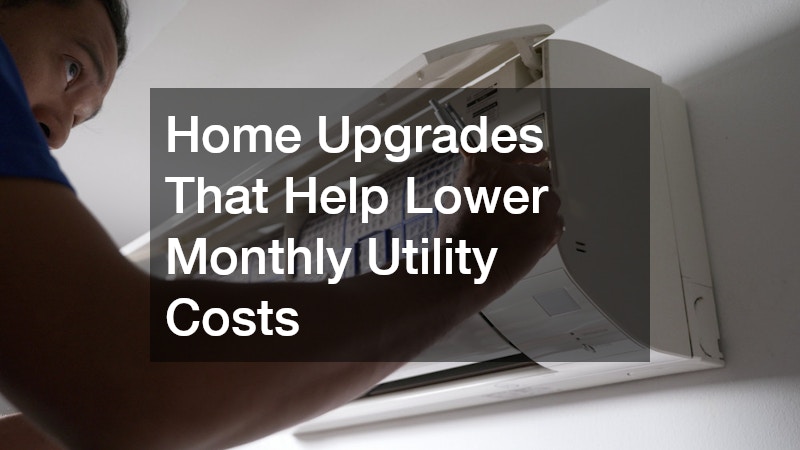
Monthly utility bills can place a significant strain on household budgets, especially as energy prices continue to fluctuate throughout the year. Many homeowners focus on reducing usage through small daily habits, but long-term savings often come from improving the efficiency of the home itself. Strategic upgrades can reduce wasted energy, improve indoor comfort, and lower heating and cooling demands year-round.
From insulation improvements to upgraded cooling systems and smarter window solutions, many home improvements provide lasting financial benefits. The key is understanding where energy loss occurs and investing in upgrades that deliver measurable results over time.
Identify Where Your Home Is Losing Energy
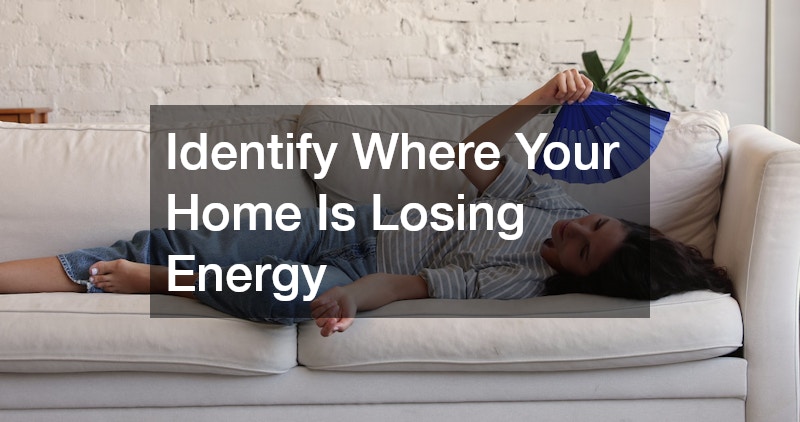
Before investing in upgrades, homeowners should identify the areas where their homes are losing the most energy. Many efficiency problems develop gradually and go unnoticed until utility bills begin to rise significantly.
Common sources of energy loss include:
- Poor attic insulation
- Drafty windows and doors
- Leaking ductwork
- Inadequate ventilation
- Gaps around plumbing or electrical penetrations
These issues force residential HVAC systems to work harder to maintain comfortable indoor temperatures. As a result, energy consumption increases and equipment experiences additional wear over time.
A professional energy assessment can help pinpoint hidden inefficiencies. A local insulation contractor can evaluate areas where conditioned air escapes and recommend targeted improvements. Addressing these problem areas early can significantly reduce monthly costs while improving overall comfort.
Warning signs of poor efficiency often include:
- Uneven temperatures between rooms
- High energy bills despite moderate usage
- Excessive dust or humidity
- Constant cycling of heating or cooling equipment
Identifying these problems before they worsen allows homeowners to prioritize upgrades more effectively.
Upgrade Aging Cooling Systems Before Energy Costs Rise
Older heating and cooling systems are one of the biggest contributors to high utility costs. As equipment ages, efficiency declines, causing the system to consume more energy while delivering reduced performance.
Common signs an upgrade may be needed include:
- Frequent repairs
- Rising utility bills
- Uneven cooling throughout the home
- Excessive noise during operation
- Difficulty maintaining consistent temperatures
Modern HVAC systems are designed with advanced energy-saving technology that significantly improves efficiency compared to older models. Features such as variable-speed motors, smart controls, and higher efficiency ratings help reduce energy consumption without sacrificing comfort.
An experienced HVAC contractor can help determine the right system size and configuration for your home. Oversized or undersized equipment can lead to inefficient operation, increased wear, and higher monthly costs.
When comparing systems, homeowners should consider:
- SEER ratings for cooling efficiency
- Energy Star certifications
- Smart thermostat compatibility
- Warranty coverage
Although replacing an aging system requires an upfront investment, the long-term energy savings can make the upgrade financially worthwhile.
Stay Ahead of Expensive Breakdowns With Routine Maintenance
Routine maintenance is essential for keeping heating and cooling systems operating efficiently. Even high-quality equipment can lose performance when neglected.
Over time, dirt buildup, worn components, and airflow restrictions can increase strain on the system. This not only raises utility costs but also increases the likelihood of breakdowns during periods of heavy use.
Important maintenance tasks include:
- Replacing air filters regularly
- Cleaning condenser coils
- Checking refrigerant levels
- Inspecting ductwork for leaks
- Testing thermostat accuracy
When issues arise, prompt HVAC repair can prevent minor problems from turning into expensive system failures. Delaying repairs often causes additional strain on components, reducing efficiency and shortening equipment lifespan.
An experienced AC repair company can diagnose performance issues and restore efficiency before energy waste becomes severe. Seasonal tune-ups are especially valuable before summer and winter, when heating and cooling demands are highest.
Preventive maintenance offers several benefits:
- Lower monthly utility costs
- Improved indoor comfort
- Longer equipment lifespan
- Reduced risk of emergency breakdowns
Consistent care is one of the most affordable ways to maintain energy efficiency over time.
Improve Insulation to Reduce Heating and Cooling Loss
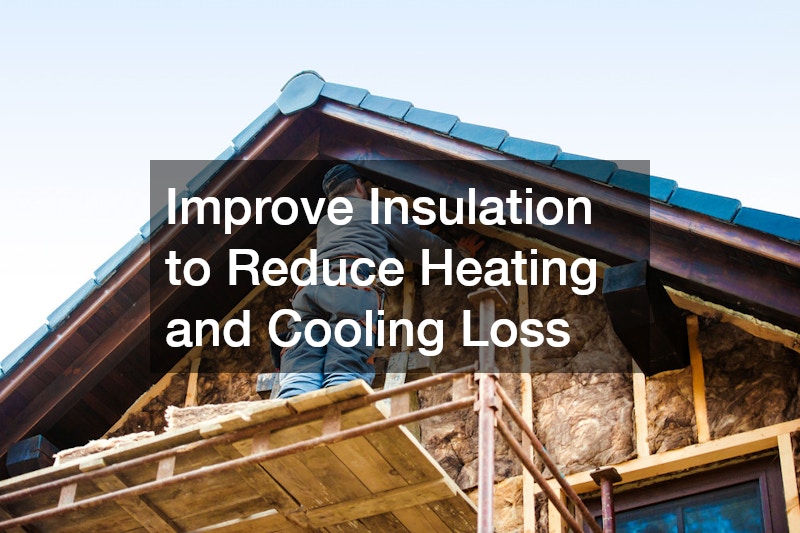
Insulation plays a critical role in controlling indoor temperatures and reducing energy waste. Without adequate insulation, heated or cooled air escapes easily, forcing systems to run longer and harder.
Areas commonly affected by poor insulation include:
- Attics
- Crawl spaces
- Exterior walls
- Garages
- Basement rim joists
One of the most effective solutions for reducing air leakage is spray foam insulation installation services. Spray foam expands into cracks and gaps, creating a tight seal that improves thermal performance.
Benefits of upgraded insulation include:
- Lower heating and cooling costs
- Improved indoor comfort
- Reduced moisture intrusion
- Better sound control
- More consistent temperatures throughout the home
A local insulation contractor can assess your home’s current insulation levels and identify areas where upgrades will have the greatest impact.
Proper insulation not only lowers monthly utility costs but also reduces strain on heating and cooling equipment, extending its lifespan.
Replace Inefficient Windows to Improve Indoor Temperature Control
Windows are one of the most common sources of energy loss in a home. Older windows often allow heat transfer, drafts, and air leakage that increase heating and cooling demands.
Signs your windows may need replacement include:
- Drafts near window frames
- Condensation between panes
- Difficulty opening or closing windows
- Noticeable temperature fluctuations near windows
Professional window replacement services can improve energy efficiency by installing modern windows designed to reduce heat transfer and air leakage.
Features to look for include:
- Double- or triple-pane glass
- Low-emissivity coatings
- Insulated frames
- Tight weather seals
In addition to replacing windows, using a blackout shade can further reduce heat gain during warmer months. These coverings help block sunlight and improve temperature control inside the home.
Combining efficient windows with quality window coverings creates a more comfortable indoor environment while reducing monthly utility expenses.
Use Window Coverings Strategically Throughout the Year
Window coverings do more than provide privacy—they also influence indoor temperatures and energy usage throughout the year.
During summer, sunlight entering through windows can dramatically increase indoor heat levels. In winter, uncovered windows may allow valuable heat to escape.
Energy-saving strategies include:
- Closing blinds during peak afternoon sunlight
- Opening coverings during winter days to allow natural warmth
- Using layered treatments for additional insulation
- Adjusting coverings based on seasonal weather conditions
A blackout shade is particularly effective in rooms that receive direct sunlight. These shades reduce solar heat gain and help cooling systems operate more efficiently.
Modern blinds are available in materials and designs that improve insulation while complementing interior décor. Honeycomb and cellular styles, for example, trap air and create an additional thermal barrier.
Using window coverings strategically is a simple but effective way to lower utility costs without major renovations.
Improve Airflow and Ventilation for Better Efficiency
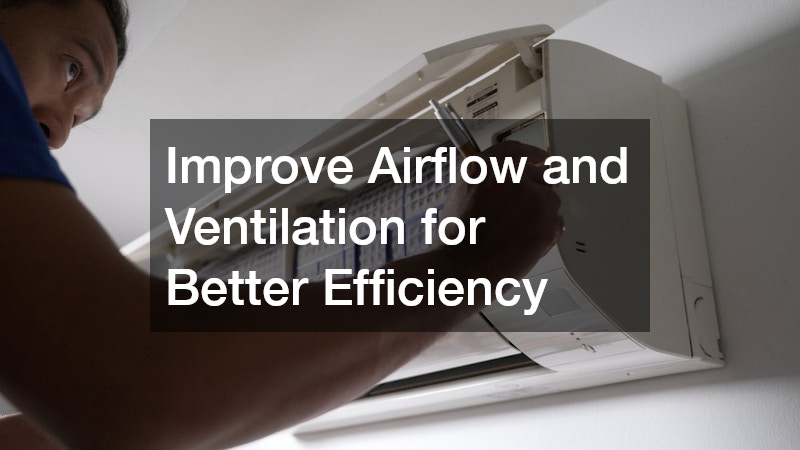
Proper airflow is essential for maintaining energy efficiency and indoor comfort. When airflow is restricted, heating and cooling systems must work harder to distribute air throughout the home.
Common causes of airflow problems include:
- Dirty filters
- Blocked vents
- Leaky ductwork
- Poor ventilation design
Residential HVAC systems rely on balanced airflow to maintain consistent temperatures. Uneven circulation can lead to hot and cold spots, increased energy use, and unnecessary equipment strain.
An HVAC contractor can evaluate your home’s ventilation system and recommend improvements such as:
- Duct sealing
- Additional return vents
- Ventilation upgrades
- Air balancing adjustments
Homeowners can also improve airflow by:
- Keeping vents unobstructed
- Replacing filters regularly
- Cleaning ducts periodically
Improving ventilation enhances efficiency while creating a healthier and more comfortable living environment.
Seal Drafts and Air Leaks Around the Home
Air leaks are a major source of energy waste in many homes. Even small gaps can allow conditioned air to escape, forcing HVAC systems to work continuously to maintain indoor temperatures.
Common leak locations include:
- Window and door frames
- Attic hatches
- Plumbing penetrations
- Electrical outlets on exterior walls
- Basement and crawl space openings
DIY solutions such as weatherstripping and caulking can help reduce drafts, but larger gaps often require professional attention.
Spray foam insulation installation services provide a highly effective way to seal hard-to-reach areas and improve overall efficiency. By creating an airtight barrier, spray foam reduces energy loss and helps stabilize indoor temperatures.
Reducing drafts benefits homeowners by:
- Lowering utility bills
- Improving comfort
- Reducing system wear
- Enhancing indoor air quality
Addressing air leaks is one of the fastest ways to improve energy efficiency.
Maximize Efficiency With Smart Thermostat Settings
Thermostat settings have a direct impact on monthly utility costs. Many homeowners unintentionally waste energy by maintaining unnecessarily extreme temperatures or using outdated thermostat technology.
Programmable and smart thermostats allow homeowners to:
- Create temperature schedules
- Adjust settings remotely
- Reduce usage during unoccupied hours
- Monitor energy consumption patterns
Recommended strategies include:
- Raising the cooling temperatures slightly during summer
- Lowering heating temperatures at night during winter
- Avoiding frequent manual adjustments
If your system struggles to respond to thermostat changes, HVAC repair may be necessary. Faulty sensors, wiring issues, or malfunctioning components can reduce efficiency and increase energy usage.
An HVAC contractor can help optimize thermostat performance and ensure your system operates efficiently year-round.
Smart temperature management can lead to substantial savings over time with minimal effort.
Combine Multiple Upgrades for Greater Long-Term Savings

While individual upgrades can reduce utility costs, combining improvements often produces the best results. Homes operate as interconnected systems, meaning efficiency gains in one area support performance in others.
For example:
- Better insulation reduces heating and cooling demands
- Efficient windows minimize temperature transfer
- Proper window coverings improve indoor comfort
- Upgraded systems operate more efficiently when energy loss is reduced
Professional window replacement services combined with energy-efficient blinds can significantly reduce solar heat gain and improve insulation around windows.
Creating a phased upgrade plan allows homeowners to spread costs over time while steadily improving efficiency.
Benefits of combining upgrades include:
- Lower utility bills
- Increased indoor comfort
- Reduced equipment strain
- Higher home value
Strategic planning ensures homeowners achieve the greatest return on their investment.
Reduce Moisture and Humidity to Improve Comfort
Excess moisture inside the home can make indoor temperatures feel uncomfortable while increasing cooling demands. High humidity levels force cooling systems to work harder, leading to higher energy costs.
Common signs of humidity problems include:
- Condensation on windows
- Musty odors
- Mold or mildew growth
- Sticky indoor air
An AC repair company can inspect cooling equipment to ensure it is properly removing humidity during operation. Issues such as refrigerant problems or dirty coils can reduce moisture control efficiency.
Insulation also plays a role in humidity management. A local insulation contractor can identify areas where warm, moist air is entering the home and recommend improvements that reduce condensation and moisture buildup.
Controlling humidity improves:
- Indoor comfort
- Energy efficiency
- Air quality
- Mold prevention
Balancing temperature and moisture levels helps create a healthier and more cost-efficient living environment. Proper humidity control can prevent mold growth and reduce allergen levels, leading to improved indoor air quality. Additionally, maintaining an optimal temperature can enhance comfort and reduce energy consumption, which in turn lowers utility bills. Implementing strategies such as using energy-efficient appliances, sealing drafts, and utilizing natural ventilation can further support these goals, ultimately promoting a more sustainable lifestyle.
Avoid Common Mistakes That Increase Energy Costs
Even homeowners who invest in energy-efficient upgrades can make mistakes that reduce overall performance. Understanding these common issues helps maximize long-term savings.
Common mistakes include:
- Ignoring routine maintenance
- Blocking vents with furniture
- Leaving windows uncovered during peak sunlight
- Using outdated thermostats
- Neglecting insulation problems
Improper use of a blackout shade can also reduce efficiency. During colder months, keeping shades closed all day may prevent natural solar warmth from entering the home. Adjusting coverings seasonally helps balance comfort and energy savings.
Poor HVAC habits, such as constantly adjusting thermostat settings or skipping filter changes, can increase wear on equipment and raise utility bills unnecessarily.
Homeowners who remain proactive with maintenance and energy management typically experience lower costs and improved comfort over time. Regular inspections of HVAC systems, for instance, can prevent costly repairs and ensure that systems run efficiently. Additionally, energy-efficient upgrades, such as LED lighting and better insulation, can significantly reduce utility bills. By staying ahead of maintenance tasks, homeowners not only save money but also create a more inviting and comfortable living environment for their families. Ultimately, investing time and resources into home care pays off in both immediate and long-term benefits.
Conclusion
Lowering monthly utility costs requires more than temporary fixes or small lifestyle adjustments. Long-term savings come from improving the efficiency of the home itself through smart upgrades and consistent maintenance. By addressing insulation, airflow, cooling systems, windows, and moisture control together, homeowners can create a more comfortable living environment while significantly reducing energy waste.
Thoughtful planning and strategic improvements not only lower utility bills but also increase home value and extend the lifespan of essential systems. Investing in efficiency today can provide financial and comfort benefits for many years to come.