
Your home is designed to protect you from the elements, provide comfortable living spaces, and support the daily routines of everyone who lives there. Over time, however, normal wear and changing conditions can affect everything from major systems to structural components. Some problems are obvious, while others develop gradually and may only become noticeable through small changes in how something looks, sounds, or operates.
Knowing what to watch for can help homeowners recognize potential problems before they become more extensive. A dripping faucet, unusual sound from an appliance, crack in a wall, or change in water pressure might seem minor on its own, but recurring or worsening symptoms can indicate an underlying issue. Addressing concerns early can sometimes reduce the amount of damage, limit disruption, and help prevent a relatively manageable repair from becoming a much larger project.
Professional evaluations can be particularly valuable when a problem involves electrical components, plumbing, structural materials, roofing, heating and cooling equipment, or other systems that require specialized knowledge. Attempting to diagnose a complicated issue without the right experience can sometimes make the situation worse.
Regularly paying attention to your home’s condition can help you identify when something isn’t working as it should. Understanding common warning signs can also make it easier to communicate concerns to a qualified professional and determine what type of service your property may need.
Noticing Problems With Heating or Cooling

Heating and cooling equipment plays an important role in maintaining a comfortable indoor environment throughout the year. When a system begins to operate differently, the change may indicate that a component needs attention.
Uneven temperatures between rooms can be one warning sign. If certain areas of the home consistently feel much warmer or cooler than others, there could be an issue involving airflow, equipment performance, ductwork, or the thermostat. Unusual noises, frequent cycling, weak airflow, or unexplained increases in energy use can also warrant an inspection.
Some problems are easier to notice during seasonal transitions when heating or cooling systems are used more frequently. A system that struggles to reach the desired temperature or takes unusually long to do so may be working harder than it should.
HVAC repairs can address a variety of issues, depending on the condition and type of equipment. Professional evaluation can help identify the source of unusual performance and determine whether a component needs adjustment, repair, or replacement. Prompt attention can also help homeowners avoid continued strain on the system.
Recognizing Leaks and Drainage Issues
Plumbing problems can range from minor leaks to issues that affect multiple areas of a home. Water stains, damp cabinets, slow drains, low water pressure, and unexplained puddles can all indicate that something within the plumbing system needs attention.
A dripping faucet may seem insignificant, but persistent leaks waste water and can contribute to moisture-related damage. Leaks hidden behind walls or beneath cabinets can be more difficult to identify because the source may not be immediately visible. Musty odors or discoloration can sometimes point to moisture that has been present for an extended period.
Homeowners should also pay attention to drains that repeatedly become slow or clogged. A recurring blockage can indicate buildup or another problem within the plumbing system rather than an isolated obstruction.
Professional plumbing repair can help determine the source of a leak, blockage, or other plumbing concern. Addressing the issue promptly can reduce the risk of water damage and help keep the home’s plumbing system functioning properly.
Addressing Changes in Water Pressure
Water pressure can affect everything from showers and faucets to appliances that rely on a steady water supply. A sudden or persistent change in pressure can be frustrating, but it can also indicate a problem that deserves investigation.
For homes that rely on private wells, inconsistent pressure may be associated with the pump, pressure tank, electrical components, or other parts of the water system. Symptoms can include faucets that produce weak water flow, a pump that runs unusually often, or water pressure that fluctuates while multiple fixtures are being used.
Changes in water pressure shouldn’t automatically be attributed to normal fluctuations. If the issue is persistent or appears suddenly, a professional can evaluate the system and identify possible causes.
A well pump repair service can address problems involving the pump and related components when the system requires attention. Prompt evaluation can help restore consistent water delivery and reduce the possibility of a minor mechanical issue developing into a larger water supply problem.
Identifying Problems With Garage Access
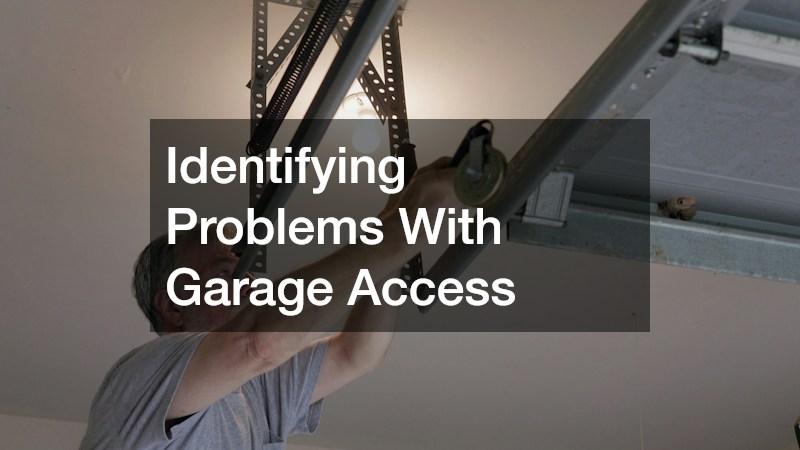
Garage doors are used frequently in many homes, so changes in their operation can become noticeable quickly. A door that suddenly moves more slowly, makes unusual noises, or fails to open or close completely may need professional attention.
Grinding, rattling, squeaking, or popping sounds can indicate that a component isn’t operating normally. The door may also become uneven, hesitate while moving, or reverse unexpectedly. These symptoms shouldn’t be ignored because garage doors contain heavy components that can create safety hazards when they malfunction.
Another warning sign is a door that doesn’t remain fully open or closed as expected. Problems involving springs, tracks, rollers, cables, sensors, or openers can affect how safely and reliably the door operates.
Garage door services can help homeowners address these concerns and identify worn or damaged components. Professional evaluation can also help determine whether a repair is appropriate or whether a component has reached the end of its useful life.
Spotting Signs of Hidden Water Leaks
Not every water leak produces an obvious puddle. Some leaks occur beneath floors or inside walls, where they can remain unnoticed until they cause visible damage.
Discolored flooring, damp spots, musty odors, warped materials, or unexplained increases in water usage can sometimes indicate a hidden leak. Homeowners may also notice warm or damp areas on a floor or hear water running when fixtures are not being used.
A slab leak is one potential source of hidden water problems in homes built on concrete slab foundations. Because plumbing lines can run beneath the slab, identifying the exact source of a leak may require specialized inspection and diagnostic methods.
Ignoring signs of hidden moisture can allow water to continue affecting surrounding materials. If a homeowner suspects a concealed leak, professional evaluation can help identify the source and determine the appropriate next step. Prompt attention can help limit damage to flooring, walls, and other parts of the property.
Recognizing Structural Changes in Your Home
Changes to a home’s structure can be concerning, particularly when they appear to worsen over time. Cracks in walls, ceilings, floors, or exterior masonry don’t always indicate a serious structural problem, but their size, location, and progression can provide useful information.
Doors and windows that suddenly become difficult to open or close can also be worth investigating. In some situations, changes in the surrounding structure can affect how these openings fit within their frames. Uneven floors, gaps around windows or doors, and visible movement in structural materials may also warrant professional evaluation.
Water drainage and soil conditions can influence some structural concerns. Excess moisture near a home’s foundation can affect surrounding soil and contribute to changes over time. Poor drainage, erosion, and other property conditions can also play a role.
Foundation repairs should be based on an appropriate assessment of the underlying issue. A professional can evaluate visible symptoms and determine whether they’re related to the foundation or another part of the structure. Identifying the cause is important because simply addressing a visible crack may not resolve the condition that created it.
Addressing Damage Around the Chimney
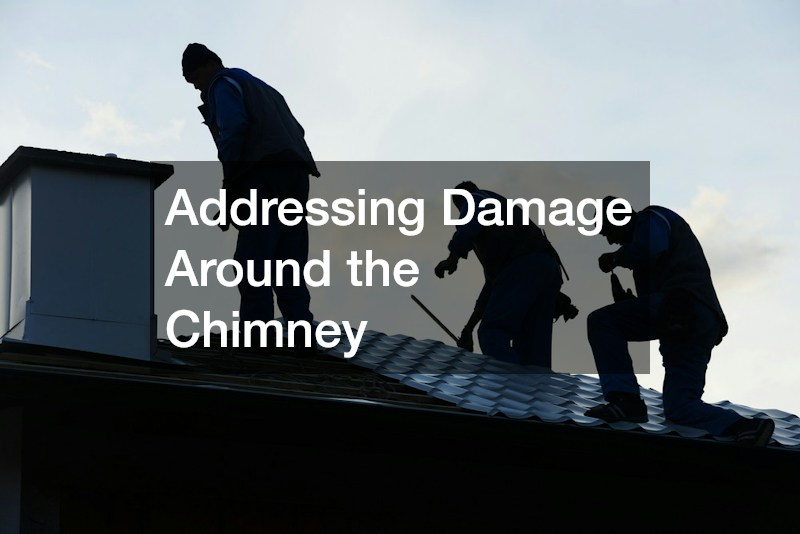
Chimneys are exposed to rain, snow, wind, temperature changes, and other outdoor conditions throughout the year. Over time, these factors can contribute to deterioration of masonry, flashing, mortar joints, or other components.
Cracked or missing mortar, loose bricks, water stains, and visible deterioration can indicate that a chimney needs attention. Homeowners should also watch for damaged flashing where the chimney meets the roof because gaps in this area can allow water to enter the home.
Moisture can be particularly damaging when it repeatedly enters masonry and freezes during cold weather. Expansion and contraction can gradually worsen existing cracks or contribute to additional deterioration.
Local chimney repair can address specific damage and help preserve the condition of the chimney. Professional evaluation is especially useful when damage is located in difficult-to-reach areas or when homeowners aren’t sure how extensive the problem is.
Regular inspections can also make it easier to identify developing concerns before they affect surrounding roofing or interior materials.
Recognizing Problems With Hot Water
Hot water is something many homeowners rely on throughout the day, so changes in temperature or availability can be easy to notice. Water that doesn’t get hot enough, runs out unusually quickly, or fluctuates between hot and cold can indicate a problem with the water heating system.
Leaks around the tank or equipment are another important warning sign. Puddles, dampness, corrosion, or visible deterioration near the unit can indicate that a component needs attention. Strange sounds, such as popping or rumbling, can also suggest that sediment or another issue is affecting the system.
The age and condition of the equipment should also be considered. Older units may require more frequent attention and can eventually become less reliable.
When a system isn’t providing dependable hot water, homeowners may need to repair water heater components or evaluate whether replacement is more appropriate. A professional can inspect the equipment, identify the source of the problem, and recommend an appropriate solution based on the system’s condition.
Addressing leaks or performance problems promptly can help prevent water damage and restore dependable hot water for the household.
Repairing Cracks and Surface Damage
Concrete is commonly used for driveways, sidewalks, patios, steps, foundations, and other parts of a property. Although it’s durable, it can develop cracks, chips, uneven sections, or surface deterioration over time.
Small cracks don’t always indicate a major problem, but their progression can provide important information. Cracks that grow wider, extend across larger areas, or are accompanied by shifting or uneven surfaces may require closer evaluation.
Water can also contribute to deterioration when it enters cracks and freezes during cold weather. Repeated freezing and thawing can gradually expand existing damage. Poor drainage may create additional moisture around concrete surfaces, increasing the potential for deterioration.
Concrete repair can address certain types of cracks and surface damage before they become more extensive. The appropriate solution depends on factors such as the size and location of the damage, the condition of the surrounding material, and the cause of the problem.
Homeowners should also pay attention to trip hazards created by uneven sidewalks, walkways, or other concrete surfaces. Prompt attention can improve safety while helping preserve the condition of the property.
Identifying Signs of Roof Damage

The roof is one of the home’s primary defenses against rain, snow, wind, and sunlight. Because roofing materials are constantly exposed to the elements, damage can develop gradually or occur suddenly following severe weather.
Missing, cracked, curled, or damaged shingles are common signs that a roof may need attention. Homeowners may also notice damaged flashing, sagging areas, granules collecting in gutters, or water stains on ceilings and walls. These symptoms can indicate that moisture is getting past the roof’s protective layers.
A roof doesn’t always show obvious signs of trouble from ground level. Some damage can occur in areas that aren’t easily visible, particularly around flashing, valleys, vents, and other roof penetrations. After strong winds, hail, or other severe weather, a professional inspection can help identify problems that may not be apparent from the ground.
A roof repair service can evaluate damage and determine whether localized repairs are appropriate. Addressing issues early can help reduce the risk of water entering the home and affecting insulation, ceilings, walls, or structural materials.
Regular inspections can also help homeowners understand the condition of their roof and plan for future maintenance rather than being surprised by an unexpected failure.
Recognizing early signs of trouble is an important part of maintaining a home. Problems don’t always begin with dramatic damage or complete system failure. A small water stain, unusual sound, inconsistent temperature, new crack, or change in performance can sometimes provide an early indication that something needs professional attention.
Homeowners can benefit from paying attention to changes throughout the property and addressing recurring problems instead of simply treating the symptoms. Heating and cooling equipment, plumbing, private water systems, garage doors, and water heaters all contain components that can wear out through regular use. Structural elements, chimneys, concrete surfaces, and roofing materials can also deteriorate due to weather, moisture, age, and other environmental conditions.
Professional evaluation is particularly useful when the source of a problem isn’t obvious. A qualified professional can inspect the affected area, identify contributing factors, and recommend an appropriate repair based on the property’s condition. This can help homeowners avoid unnecessary work while ensuring that significant concerns aren’t overlooked.
Routine maintenance can also make repairs more manageable. Inspections, cleaning, seasonal preparation, and prompt attention to minor concerns can help protect major systems and building materials over time. Homeowners should also keep track of previous repairs and watch for changes after severe weather or other events that could affect the property.
Ultimately, responding to warning signs early can help protect a home’s condition, comfort, and value. While not every crack, leak, or unusual sound signals a major problem, persistent or worsening symptoms deserve attention. Knowing when to seek professional assistance can help homeowners address concerns before they develop into more extensive and disruptive repairs.